Boundaries: Protect What Matters
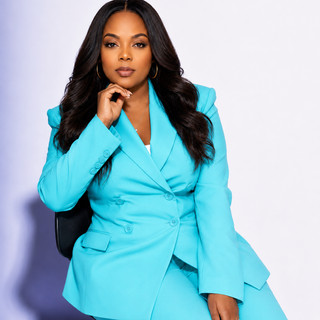
Some boundaries protect our peace. Others protect our principles.
There are moments when business cannot continue as usual.
There are moments when content calendars, professional responsibilities, and carefully planned messages must make room for what is happening in the world around us.
This is one of those moments.
As a minority mother, I am grieving.
I am grieving for Karmelo Anthony and his family.
I am grieving for the Black and Brown young men in this country who are often required to navigate a world that may not extend the same patience, protection, or understanding to every child.
And I am grieving because two young lives became permanently connected through a tragic moment at a Texas high-school track meet.
Holding Grief and Refusing Silence
Austin Metcalf lost his life at 17 years old.
That loss matters.
A young life should never be reduced to a headline, a debate, or a symbol in a broader conversation.
But acknowledging one family’s pain does not require silence about the fear, concern, and exhaustion minority mothers carry.
I cannot ignore the other mother.
I cannot ignore the family watching their son become the subject of national conversation.
I cannot ignore the reality that no minority jurors were selected for the jury in this case.
And I cannot ignore the broader questions many minority families are carrying about perception, fairness, and the ways Black and Brown young men are seen within our society.
These questions do not disappear simply because they are uncomfortable.
The Fear Is Not Abstract
Minority mothers understand the weight of sending our sons into the world.
We understand the conversations repeated before they leave home.
"Be careful."
"Stay aware of your surroundings."
"Think before you respond."
"Do not allow one moment to define your future."
We know that our sons may not always be granted the same grace, patience, protection, or complexity extended to others.
We know that their fear may not always be recognized as fear.
We know that their emotions may be interpreted differently.
We know that a single moment can become the only story some people are willing to hear about them.
That awareness is not abstract.
It is carried in our homes.
It is present in our conversations.
It is reflected in our prayers.
Some Boundaries Are Moral
We often speak about boundaries as a way to protect our time, energy, and emotional well-being.
Those boundaries matter.
But some boundaries reach beyond the individual.
Some boundaries are moral.
They establish what we will no longer accept as normal.
They require us to consider what we are willing to confront, challenge, and change.
They ask us to draw a line when the dignity, humanity, and futures of our children are at stake.
There are moments when silence may feel easier.
But silence is not always neutral.
And asking difficult questions is not the same as excusing harm.
We can acknowledge grief.
We can respect the weight of accountability.
We can recognize the pain carried by more than one family.
And we can still refuse to become silent about the systems, narratives, and assumptions affecting Black and brown young men.
Our Boys Deserve to Be Seen Fully
Black and Brown young men deserve more than survival.
They deserve to be seen as whole human beings.
They deserve futures.
They deserve protection.
They deserve the opportunity to grow beyond a single moment.
They deserve systems capable of recognizing their humanity before reducing them to a headline, a statistic, or a symbol.
Our concern cannot begin only after a tragedy, a verdict, or a national conversation.
It must shape the environments we build.
It must influence the policies we examine.
It must inform the narratives we challenge.
It must be reflected in the ways we raise, support, mentor, and protect our children.
Leadership Requires Moral Clarity
Leadership is influence, not title.
Sometimes leadership means speaking clearly when silence would be more comfortable.
Sometimes it means holding compassion and concern simultaneously.
Sometimes it means refusing the false choice between acknowledging one family’s grief and making space for another family’s pain.
Sometimes it means recognizing that accountability and fairness belong in the same conversation.
Protecting what matters requires courage.
It requires us to remain present when the conversation becomes difficult.
It requires us to ask questions with care.
It requires us to resist the urge to reduce complicated human experiences to simple conclusions.
And it requires us to refuse the idea that the lives and futures of Black and brown young men are expendable.
Today’s Reflection
Ask yourself:
What am I willing to protect, confront, or change when the lives and futures of so many are at stake?
Then decide what your answer requires of you.
Some boundaries protect your peace.
Others protect your principles.
Both matter.
I stand with Karmelo Anthony and his family.
ENOM-HC™ | From Burnout to Blueprint |Lead Yourself Well. Love Yourself Intentionally.


Comments